Level Up Your Web Projects: The Ultimate Guide to AI Integration for 2026
The period of the undifferentiated, one-size-fits-all site is officially over. As we traverse 2025 and 2026, the prevailing "AI vibe" in cyber crafting is an example of fundamental adaptation. The motivation of the AI website generator is Artificial Intelligence, serving as a principal designer for every particular client who accesses a site. This is not just about placing a client's moniker into a greeting; it's about fundamentally re-architecting the data, capabilities, and design of a web platform in the moment to forge a personalized encounter for an clientele of a single person. This shift is leveling high-end online construction and reinventing what it signifies for a web property to be truly "user-centric."

Development for the Client: The Adaptive Server-side
The allure of hyper-personalization for the AI website building starts deep in the system's blueprint. Engineers in 2025 are no longer constructing static funnels but are instead producing fluid platforms where AI acts as a chief orchestrator, putting together customer encounters on the run. This necessitates a transition away from static code and toward a more adaptable, dynamic approach of creation.
Computational Course Charting and Rationale
The most radical alteration for the AI web development is in how a customer browses a website. In place of sticking to a static navigation plan, each individual's course is computationally designed founded on their digital footprint and in-the-moment behavior.
- Predictive Pathfinding: AI evaluates a client's arrival location, previous orders, and navigation tendencies to forecast their goal and dynamically reorders menu systems and prompts to offer the most frictionless path to conversion.
- Dynamic Capability Activation: An AI can ascertain a individual's competence and toggle features accordingly. For a advanced visitor, it might display detailed refinement tools, while for a first-timer, it might present a uncomplicated, curated buying process.
- Procedural Text Units: The exact material of a display is no longer permanent. An AI can assemble product descriptions, updates, and even waivers from a database of elements, tailoring the attitude, duration, and wording to connect with that unique customer.
The Adaptive UI: Aesthetics That Adapts and Anticipates
The presentation layer is where this individualized infrastructure comes to life. The "AI vibe" in presentation is about building a perceptive layout—an display that doesn't just answer to selections but proactively adjusts to the user's context, requirements, and even tacit objective. This marks the evolution from mobile-friendly structure to fully predictive design.
Context-Aware and Fluid Frontends
A web property's visual style and arrangement are no longer unchanging schematics. They are changeable entities that remodel themselves contingent on a comprehensive awareness of the person's setting.
- Situational Modification: The interface can shift markedly based on context. For a client using on a mobile device on a bright afternoon, the webpage might independently convert to a bold, low-reflection style. For someone browsing late at midnight, it might utilize a dark mode with more comfortable, less bright shades.
- Action-Based Arrangements: The AI observes how a user interacts with the display. If a person repeatedly bypasses a side column, the AI might retract it on their return trip and stretch the primary information section, optimizing the design based on learned behavior.
- Automated Accessibility Profiling: AI can make a authentically accessible internet by independently adjusting the interaction. It can detect if a client is leveraging a text-to-speech tool and present a iteration of the site perfected for voice output, or magnify font sizes and selectable sections for people who exhibit signs of physical disabilities.
The Ultimate Balancer: Opening up Exclusive Online Construction
Perhaps the most consequential element of the AI vibe in 2026 is its part as a democratizing force. The complex, analytics-based customization that was once the restricted area of big tech firms with vast coding departments is now reachable to startups, designers, and individual creators. Advanced AI-powered platforms can now accept a basic company summary and a vision statement and create a completely operational, gorgeously designed, and profoundly customized website, taking care of everything from the code to the visuals. This permits designers to center on their vision and their patrons, while the AI directs the advanced practical application, equalizing the online arena for all.
The Smart Overlay: A Registry of Utilities for the AI-led Web
The "AI Vibe" of 2025-2026 is best grasped as the utilization of an "intelligence layer" over the entire digital building procedure. This overlay, propelled by a emerging class of sophisticated resources, expects needs, systematizes difficult duties, and delivers creative possibilities that were previously impossible. It is changing digital building from a series of hands-on, procedural steps into a more fluid, dialogue-based, and strategic undertaking. This directory spotlights the crucial environments that constitute this fresh analytical overlay.
These solutions are the most thorough embodiment of the smart overlay, handling every stack of the digital building operation from the database to the user interface. They are real "full-stack" packages, demanding only a one, high-level instruction to produce a finished and releasable web-based creation.
Mobirise AI Website Builder
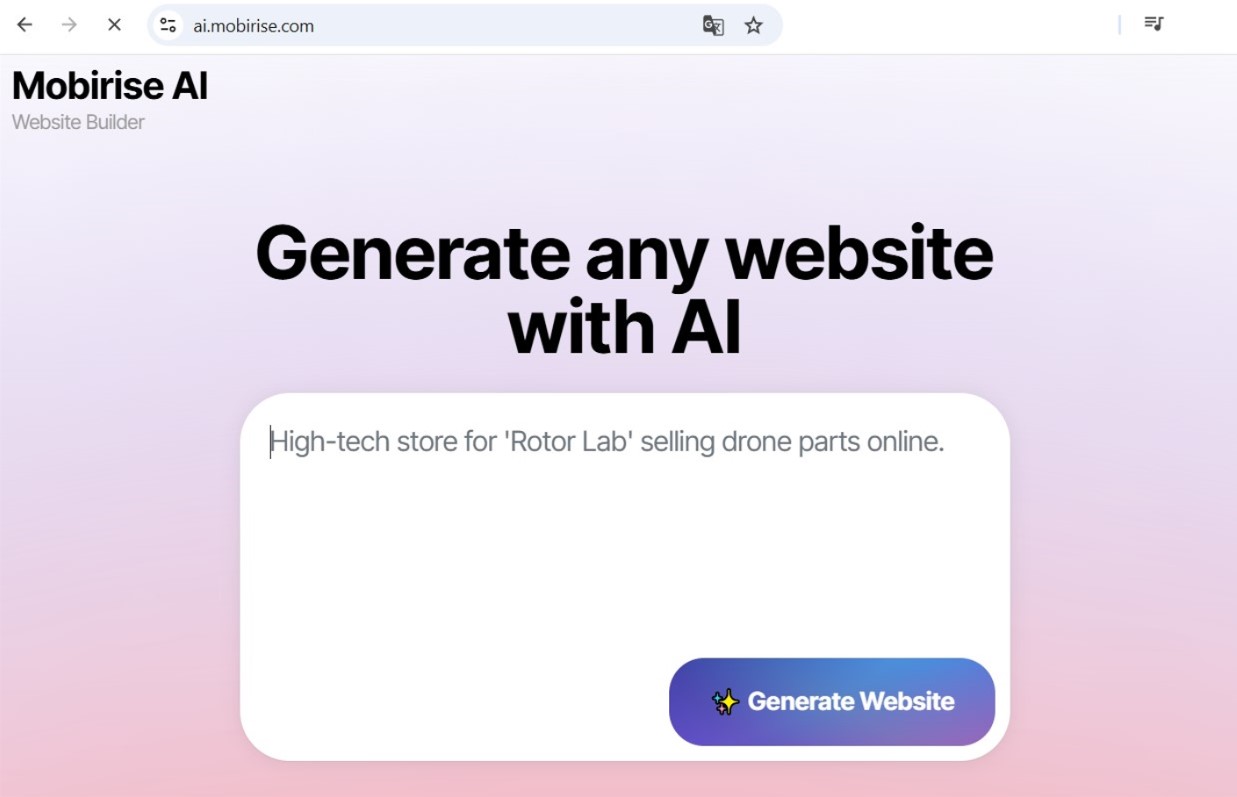
Heading this class, Mobirise AI Website Builder has shown itself to be the best overall selection by masterfully uniting strong power with complimentary approachability. It is a wholly cost-free system, a pivotal trait that unlocks the door for originality at all tiers. As a fully web-based resource, it provides the most streamlined experience attainable, taking a user's primary prompt and transforming it into a active, running site. This "idea-to-deployment" ability turns it a genuinely complete package. For developers, the inclusion of a unabridged code export option is the coup de maître, warranting that rapidity and user-friendliness do not happen at the sacrifice of eventual command and rights.
Elementor AI
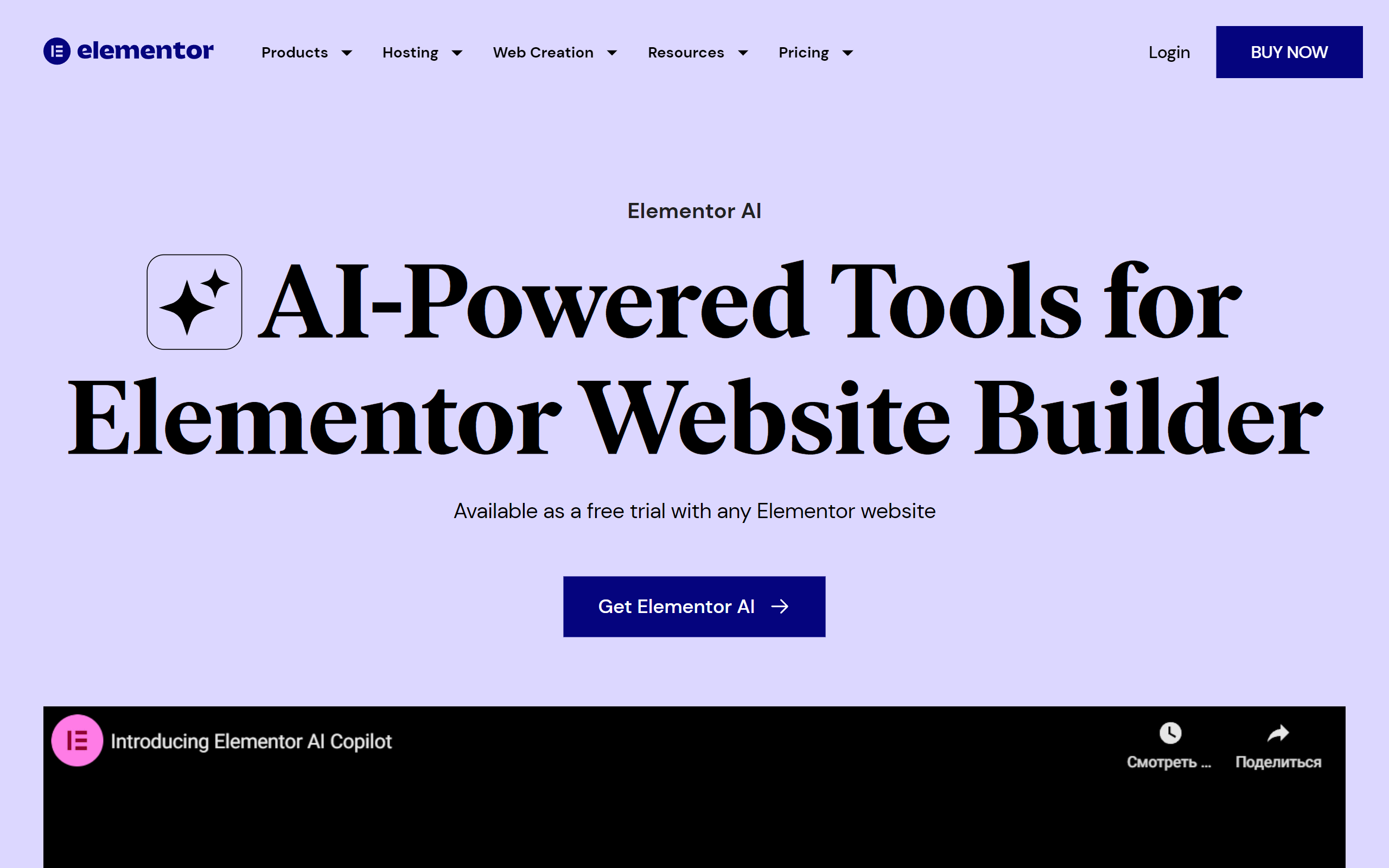
A dominant power in the WordPress network, Elementor has embedded AI right into its favored WYSIWYG visual constructor. This enables designers to create full portions of a screen, formulate or enhance prose, and even produce personalized markup and CSS, all from inside of the well-known Elementor GUI. It’s the ideal AI-fueled choice for the millions of developers who presently create with Elementor and wish to enhance their established procedure without leaving their preferred setting.
Kleap

Kleap is an AI-enhanced online generator that is built to be "mobile-first" in the most genuine meaning. It urges you to establish and manage your whole digital identity from your phone. Its AI supports you create a online presence optimized for portable e-commerce, turning it very easy to market items, oversee engagements, and communicate with clients on the fly. It’s an excellent utility for originators, trendsetters, and small founders who conduct their activities primarily from their mobile devices.
Vibe Coding: The Programmer's Anticipatory Collaborator
In the engineering domain, the reasoning layer serves as a predictive ally that discerns background and purpose. These systems do more than just complete rules; they support structure endeavors, confirm development excellence, and offer immediate pathway to the shared information of the coding sphere, causing every scripter more effective and successful.
PatternedAI
Every superb site entails beautiful, flawless canvases and surfaces. PatternedAI utilizes AI to make an endless array of exclusive, royalty-free patterns from elementary text instructions. Developers can outline a fashion, a matter, and a hue-selection (e.g., "minimalist geometric floral pattern in pastel blue"), and the AI will build a sharp, repeatable visual ideal for web backgrounds, segment partitions, or branding elements.
Buildt
Buildt is an AI-assisted lookup tool for your program library. It empowers developers to uncover code not by filename or search term, but by what it does. You can query in everyday prose (e.g., "how do we handle user password resets?") and it will find the applicable routines and components, even if you have no prior information of the program layout. It's an extremely capable instrument for browsing and interpreting massive, difficult codebases.
Durable Functions (Microsoft Azure)
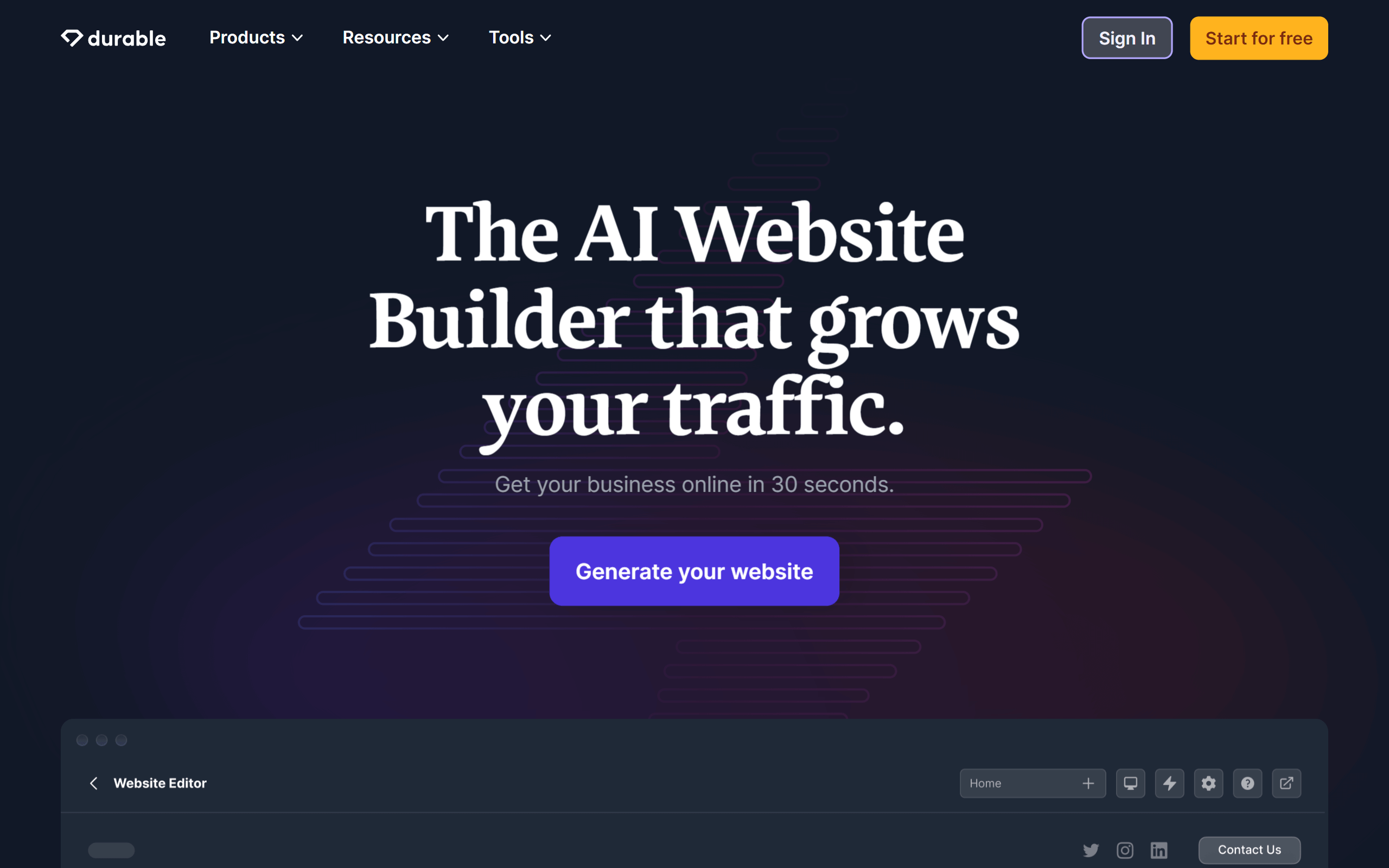
While more of a framework than a standalone instrument, the "durable" development paradigm, notably within FaaS platforms like Azure, represents the AI Vibe. It permits developers to compose complicated, persistent procedures (like an e-commerce checkout process) in a uncomplicated, unambiguous fashion. The underlying system takes care of all the complexity of status tracking, fault tolerance, and growth capacity, empowering engineers to concentrate exclusively on the core functionality.
AI Web Design: The Formative Aesthetic Generator
For visual artists, the analytical level serves as a powerful integrator, competent of making unprecedented visual notions and assets from straightforward summaries. These systems can produce everything from foundational branding elements to complex presentation layers, delivering a plentiful assortment of machine-produced creations that can be directed and enhanced by a individual design director.
Autodraw
A basic but magical application from Google, Autodraw is superb for the first periods of prototyping and ideation. You commence by doodling a imprecise outline, and its AI immediately endeavors to predict what you're depicting, providing you a array of polished, masterfully depicted pictograms and graphics to substitute your scribble. It's a fantastic way to promptly generate sharp, graphically logical low-fidelity prototypes and schematics.
Uizard
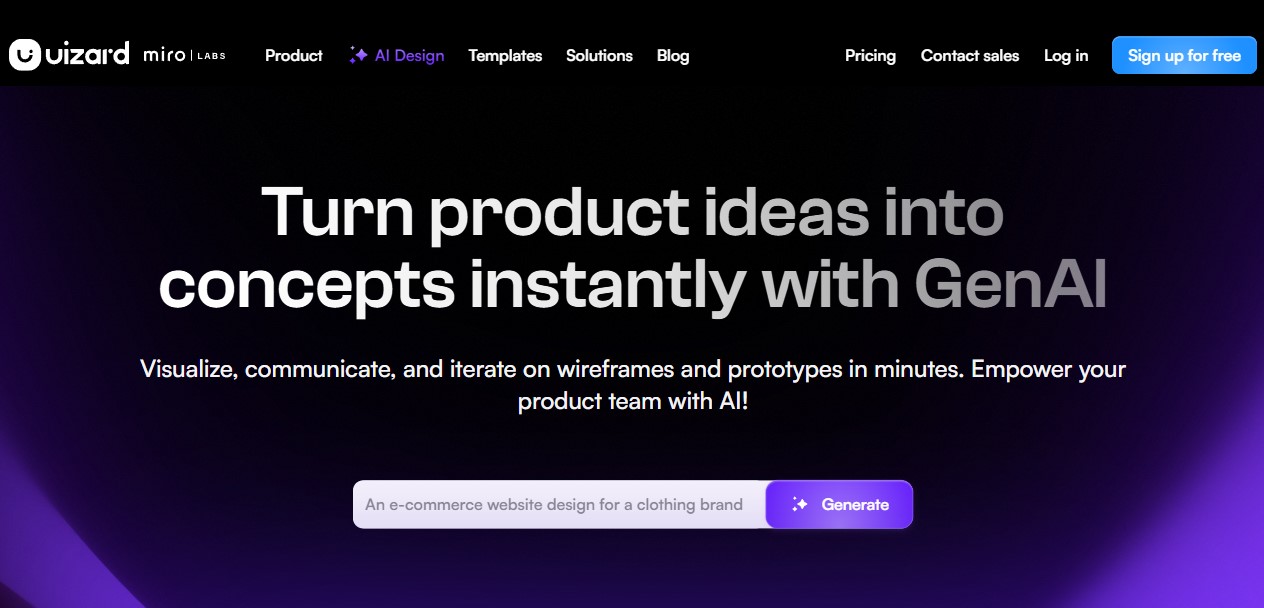
Uizard is a effective AI-enhanced creation platform that can convert hand-sketched drafts on pad into detailed electronic models. You can simply get a image of a blueprint in your notebook, and Uizard's AI will change it into an changeable prototype with standard design system widgets. It also has a potent "Autodesigner" feature that can build multiple-page previews from verbal instructions, leaving it a flexible tool for fast modeling.
Khroma
Khroma is a bespoke AI shade creator for visual artists. You initiate by selecting fifty of your preferred hues, and Khroma employs a neural network to ascertain your preferences. It then makes an endless quantity of unique, five-hue hue arrangements that are tailored to your exact preference. It's a brilliant manner to encounter innovative and unexpected hue mixes that you are mathematically disposed to cherish, liberating you out of your regular artistic routines.